A multidisciplinary study combining behavioural assessments, brain imaging, and eye tracking to understand and predict bribery tendencies among Malaysians from a neuroscience cognitive perspective.
4a5ea6c3-14eb-4ca4-8d46-21371a6481fb (1)
88D84B35-9286-41CA-AEAF-27C9E1BF586D (1)
WhatsApp Image 2026-09-30 at 7.18.44 PM
WhatsApp Image 2026-09-30 at 7.18.44 PM (1)
WhatsApp Image 2026-09-30 at 7.18.44 PM (2)
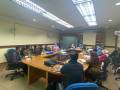
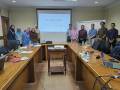
2- 19 December Meeting
1B701D7C-3822-4B5C-905C-453EC7D97461
0ab69a19-9442-4b6c-82c0-7dc9941fa84b (1)
This multidisciplinary research project, funded by Universiti Sains Malaysia, investigates bribery practices in Malaysia from a neuroscience cognitive perspective. The study examines how enforcement officers/government agency officers and laypersons think about and respond to corruption by combining behavioural assessments, brain imaging, and eye tracking technology.
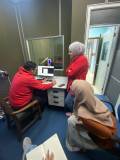
Through surveys and interviews, the project first maps the psychological traits and attitudes that may support corrupt behaviour. It then goes deeper,using EEG and eye tracking to observe how the brain and body involuntarily react when individuals are confronted with bribery-related scenarios. The ultimate goal is to combine these multiple data streams using deep learning to develop a predictive model capable of identifying bribery tendencies, contributing to both the scientific understanding of corruption and practical tools for prevention and intervention.
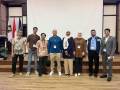
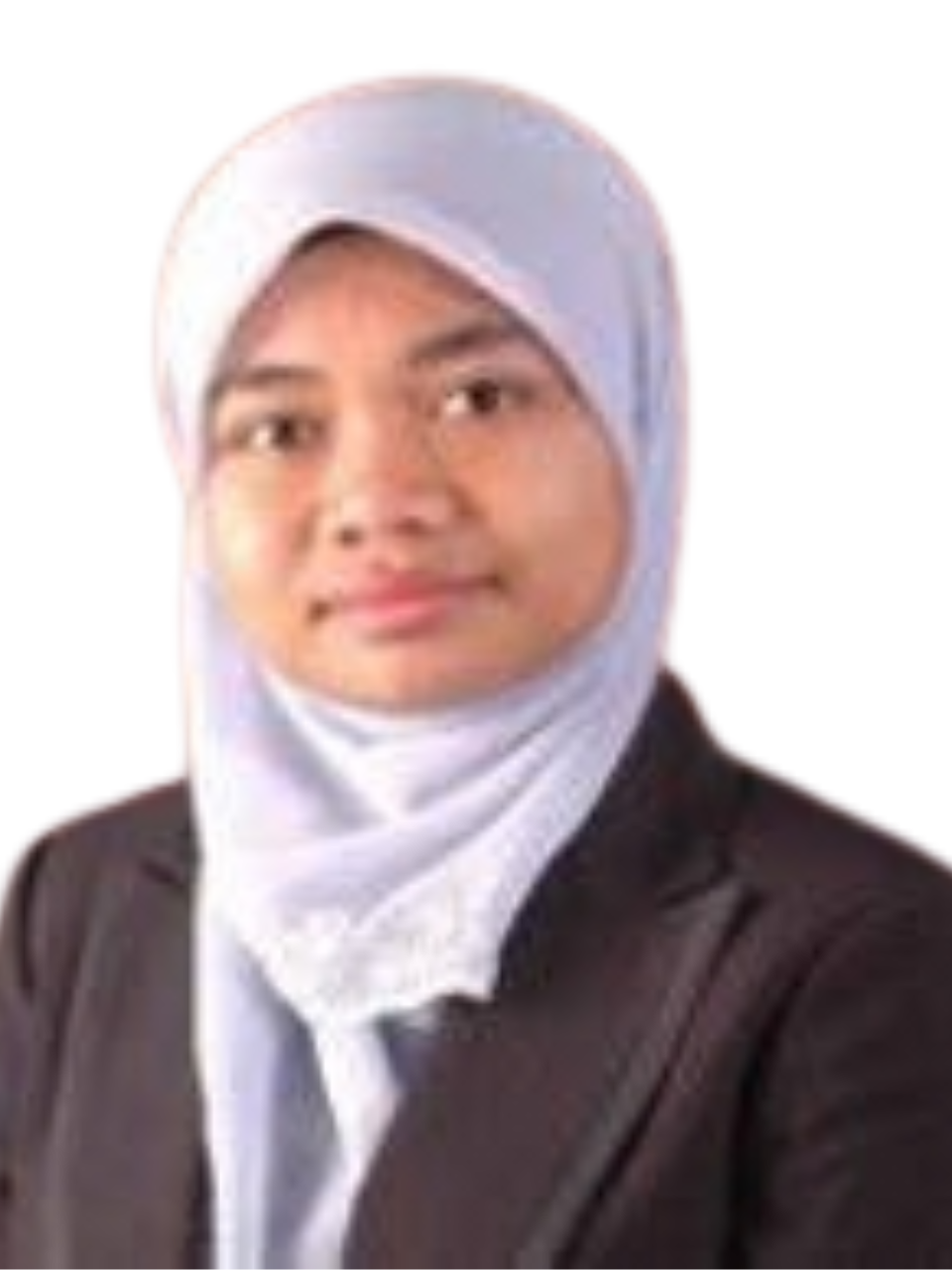
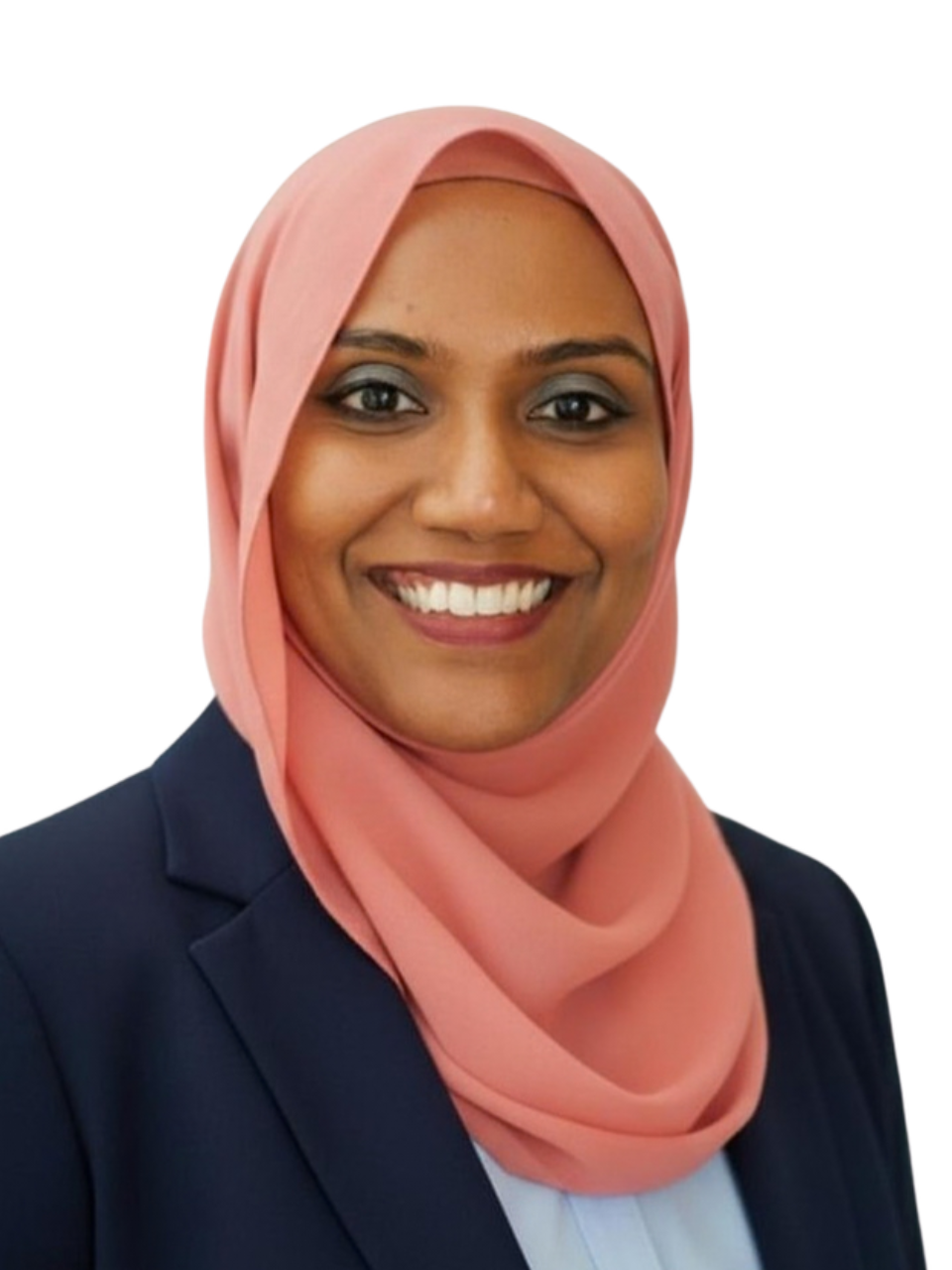
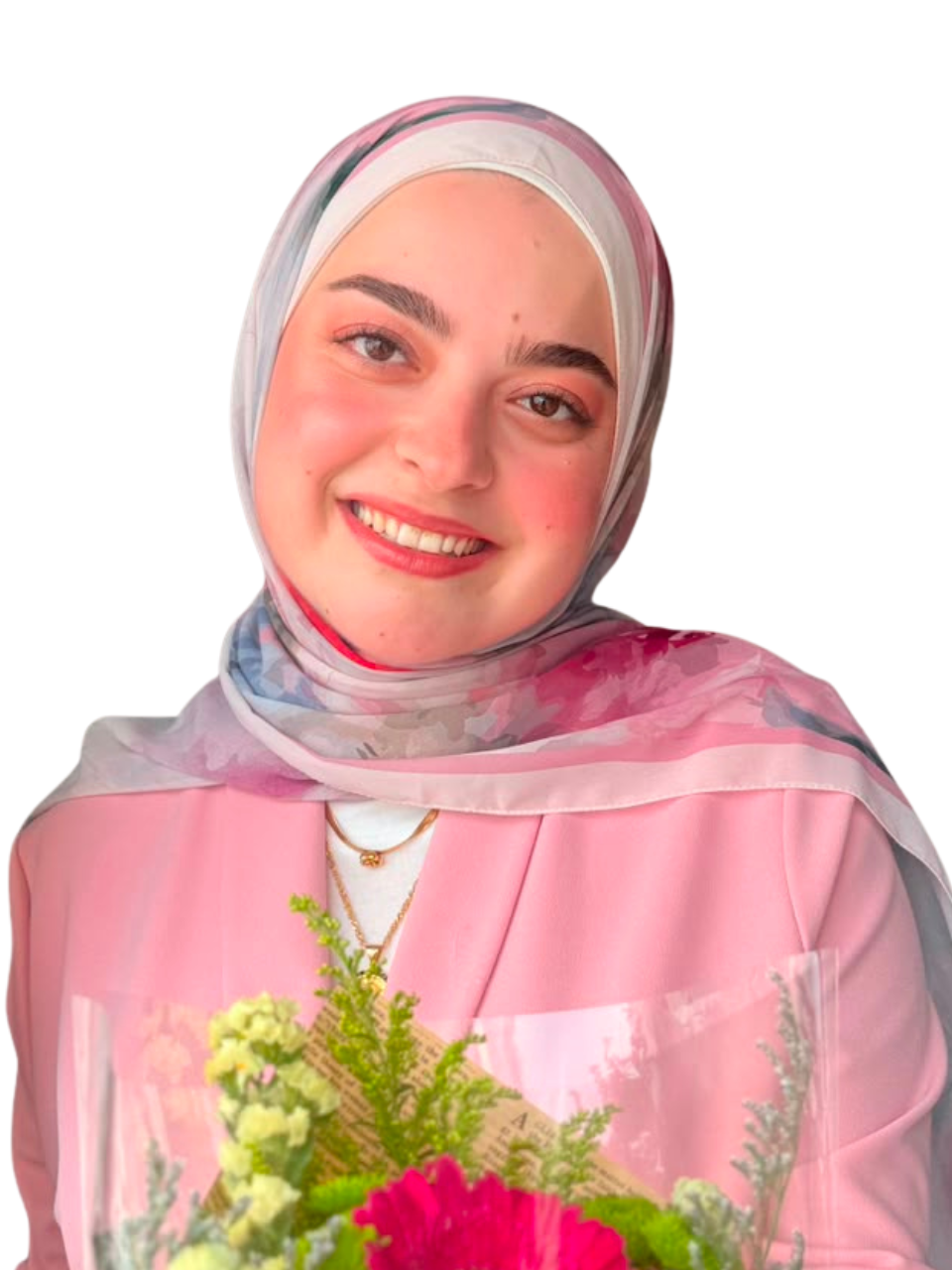
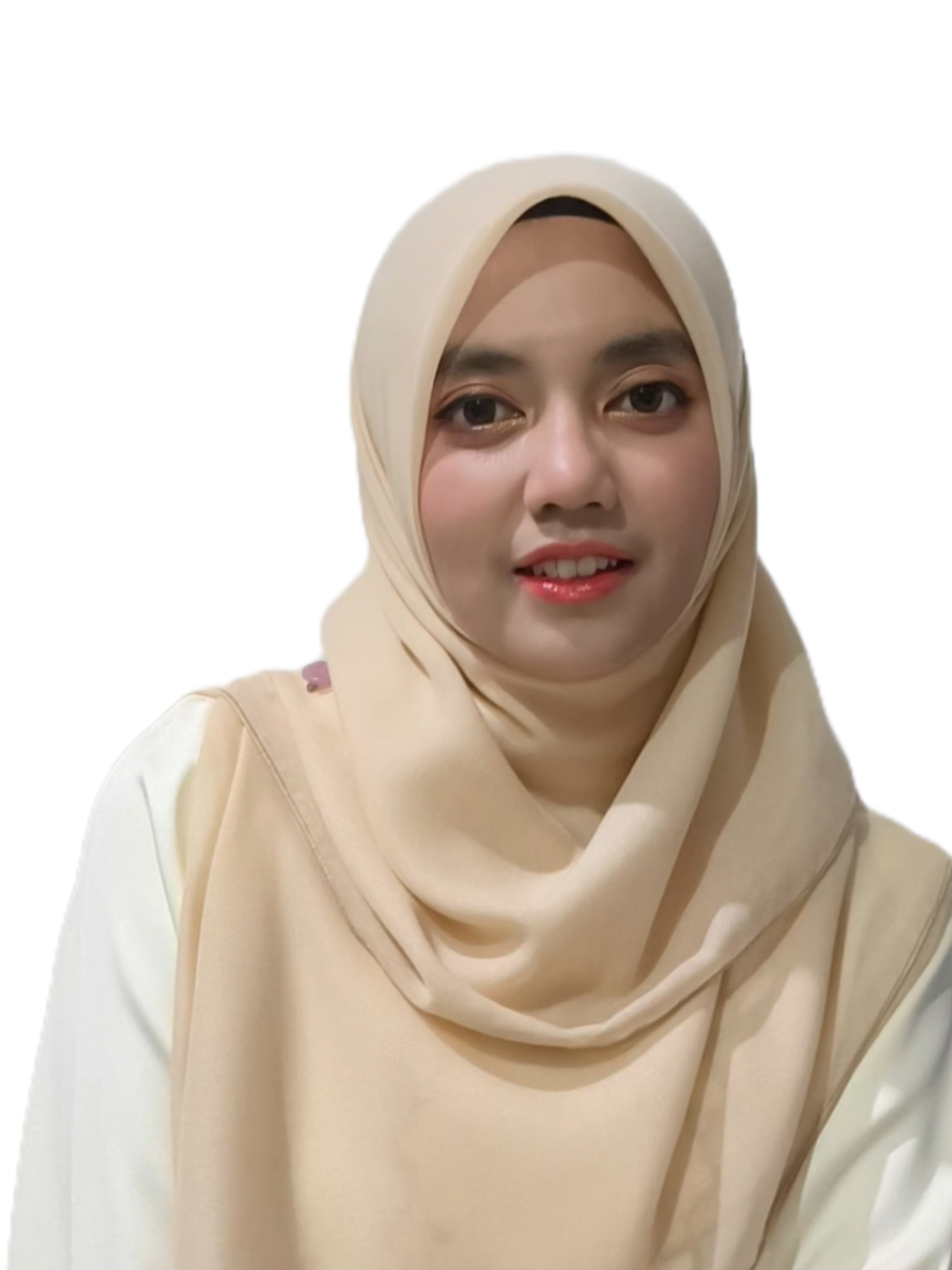
The Team
Meet the researchers behind each part of the project.
Subproject 01
Behavioural and Psychological Profiling of Bribery Practices
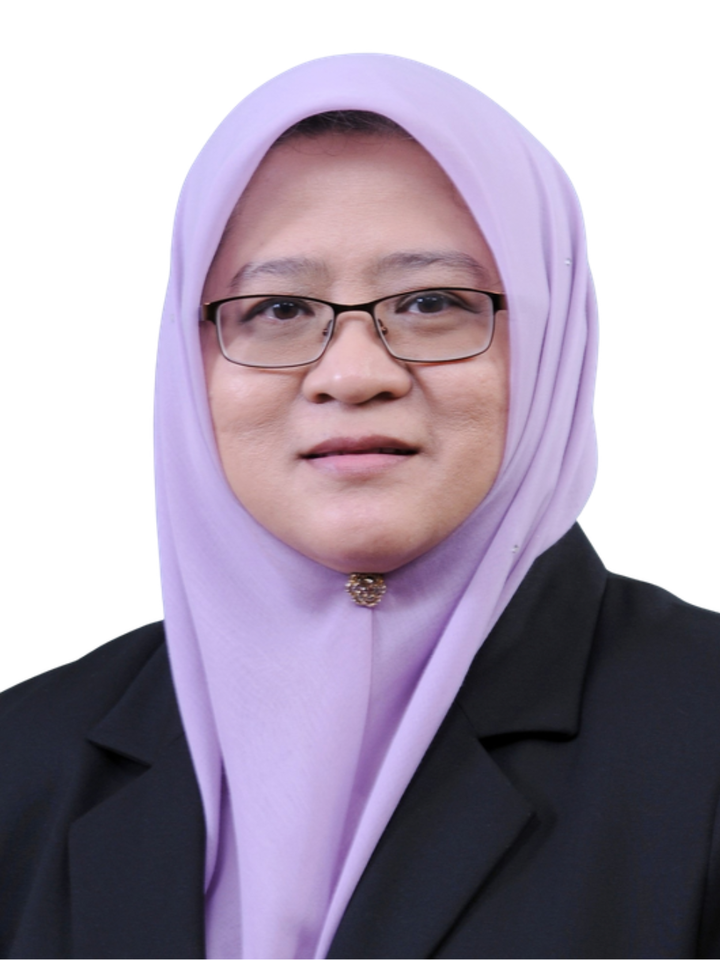
Dr. Geshina Ayu Mat Saat
Principal Investigator
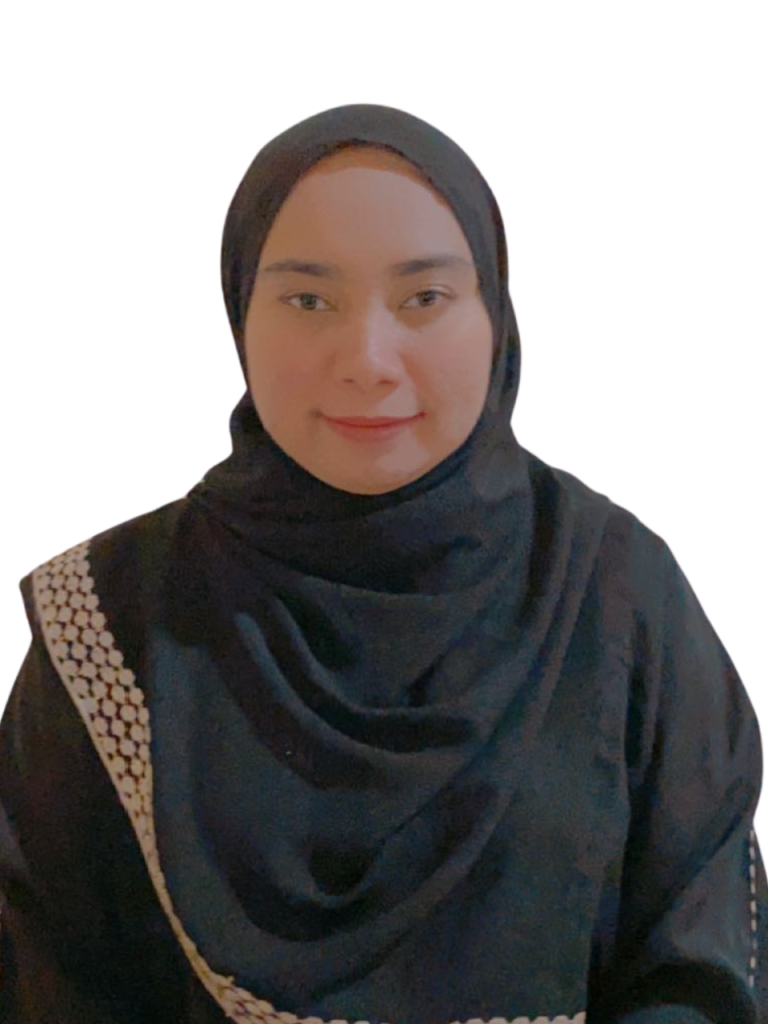
Nurul Athirah Nordin
GRA
Subproject 02
Neuroimaging and Eye-tracking of Bribery-Related Cognitive Responses
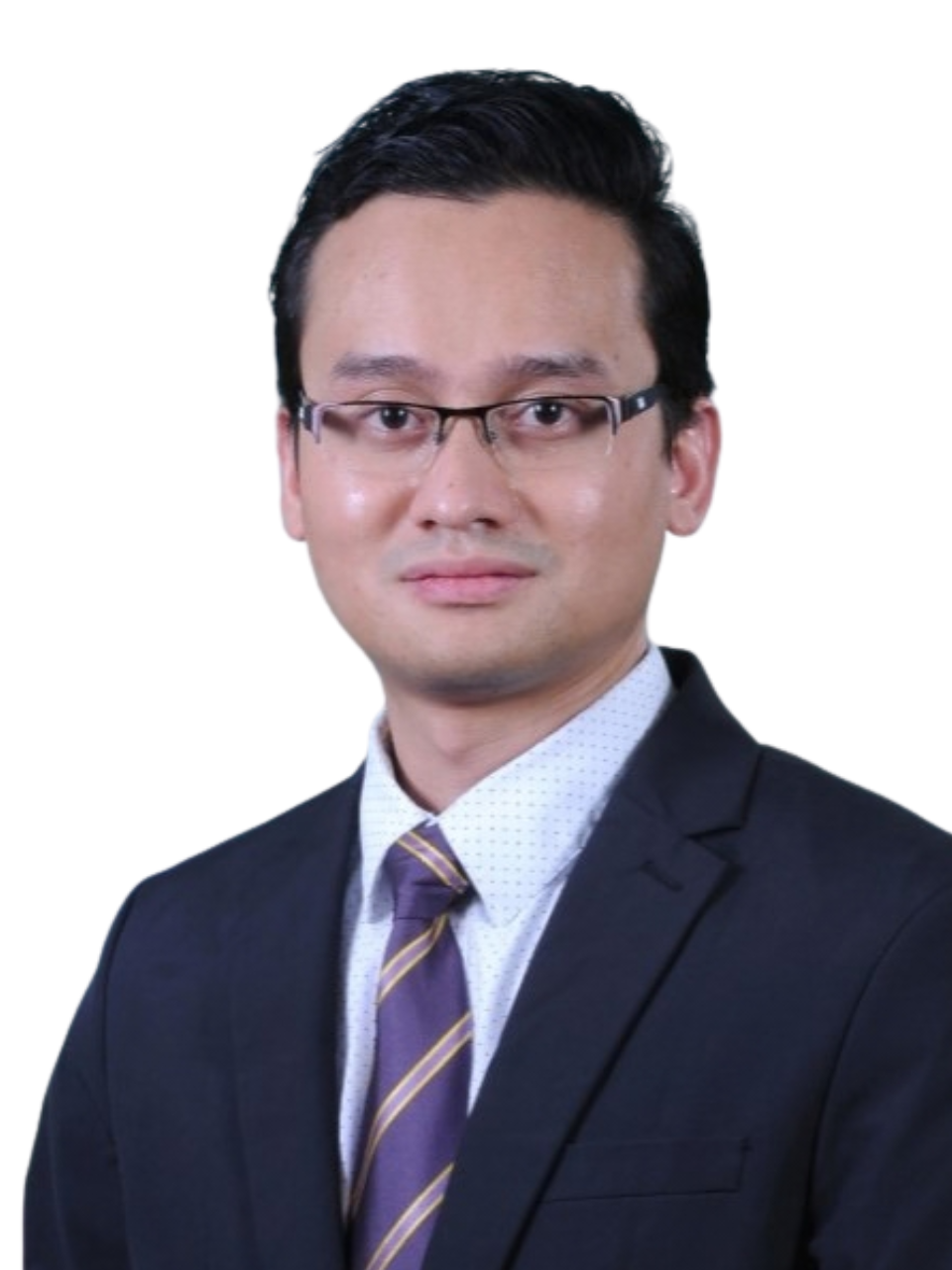
Dr. Mohamed Faiz Mohamed Mustafar
Principal Investigator
Dr. Mohd Faizal Mohd Zulkifly
Psychologist & EEG expert
Dr. Aini Ismafairus Abd. Hamid
Cognitive Neuroscientist
Siti Mariam
GRA
Subproject 03
Multimodal Bribery Tendency Detection with Machine Learning on EEG, Eye Gaze and Behavioural Features